---
title: "Choosing the Right Cookware Handle: Key Pain Points and What to Look For"
description: What will be the key international trend directions for cookware sector ? Read the blog and enjoy our latest insight about cookware trends.
image: https://blog.fbm.eu/hubfs/MO%20NIKA%20Trendy%20and%20fashionable%20handle-Dec-10-2025-01-09-34-5375-PM.png
---
 English
[](http://www.fbm.eu/)
- [THE COMPANY](https://www.fbm.eu/?p=2335&lang=en)
- [PRODUCTS](https://www.fbm.eu/?page_id=2404&lang=en)
- [CAREER](https://www.fbm.eu/?page_id=7780&lang=en)
- [PLANTS](https://www.fbm.eu/?p=2356&lang=en)
- [BLOG](https://blog.fbm.eu/)
- [EVENTS](https://www.fbm.eu/?page_id=2369&lang=en)
- [CONTACTS](https://www.fbm.eu/?page_id=2366&lang=en)
- [LOGIN](https://www.fbm.eu/?page_id=2416&lang=en)
[« Back to Blog](https://blog.fbm.eu/)
# Choosing the Right Cookware Handle: Key Pain Points and What to Look For
by [La Termoplastic F.B.M.](https://blog.fbm.eu/author/la-termoplastic-f-b-m) on 17 Dec 2025
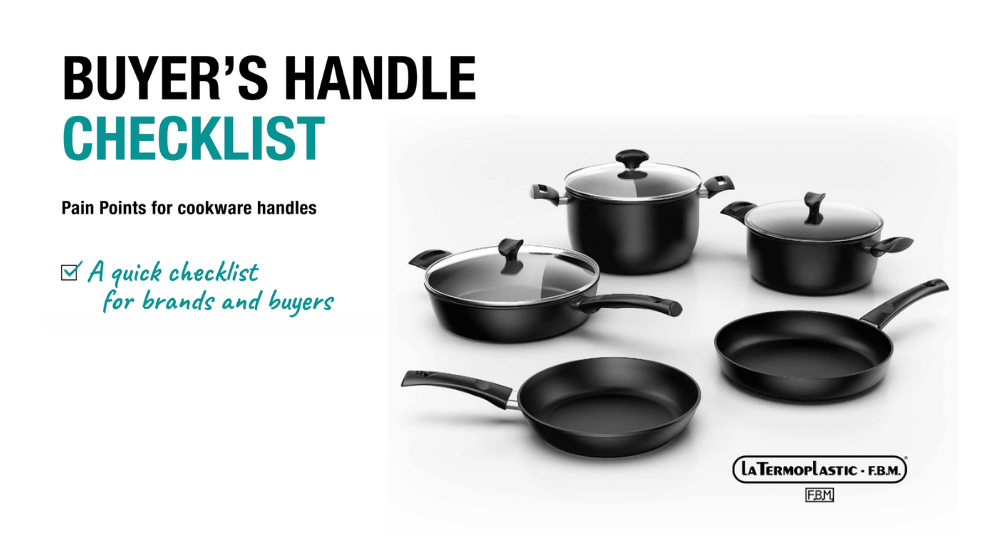
Cookware handles are critical to product design, safety, and user experience. Whether you’re a buyer, designer, or manufacturer, choosing the right handle means balancing aesthetics, functionality, and durability. If the handle fails in any of these areas, it can detract from the user experience and even pose safety risks.
In this article, we explore how to choose the best cookware handle — from materials and ergonomics to heat resistance and quality control.
[](https://cta-redirect.hubspot.com/cta/redirect/4327729/3ddf4b0e-ac66-4dc6-8908-25623ca12dd4)
## 1. DESIGN: THE IMPORTANCE OF VISUAL APPEAL
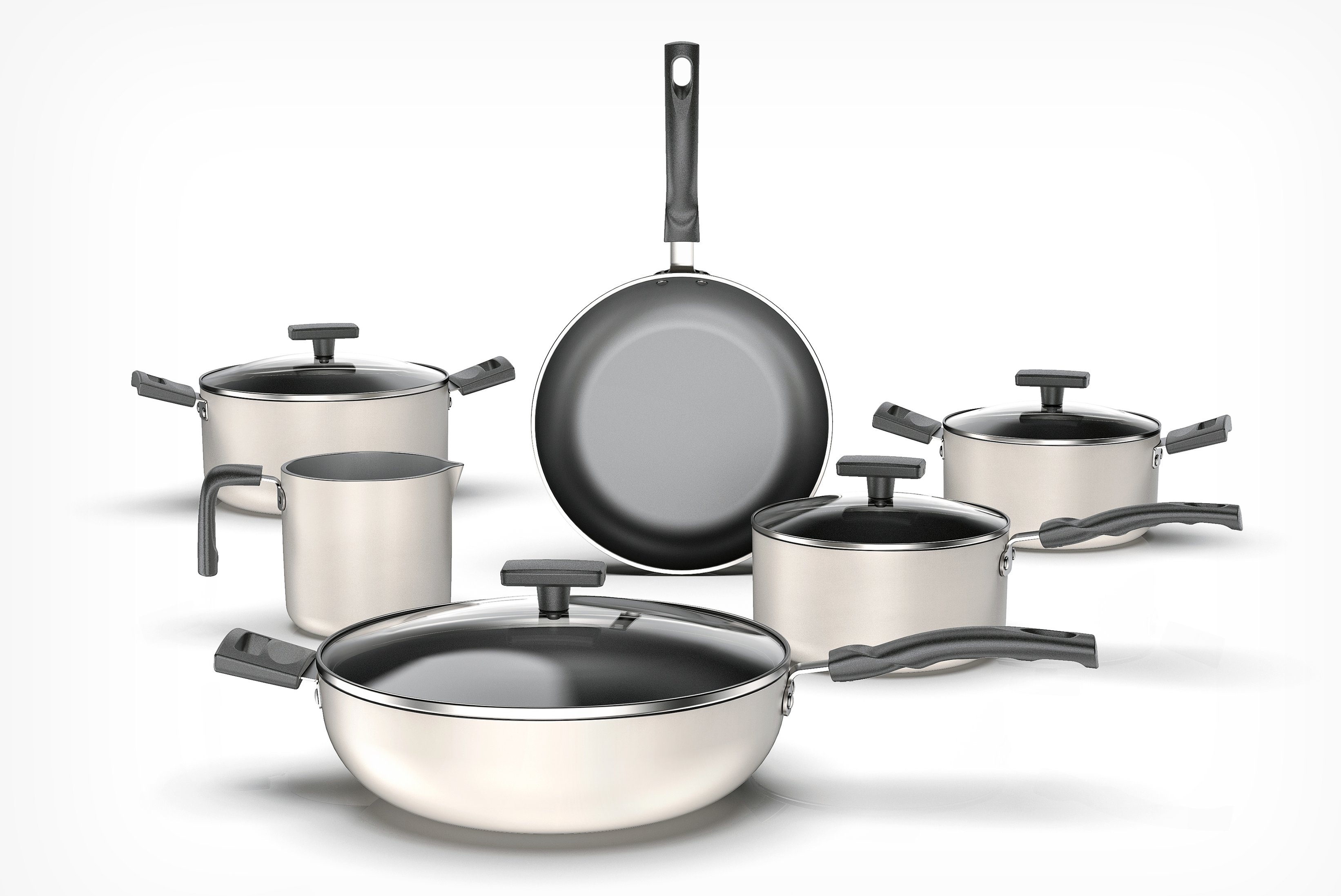
First impressions matter. When a customer walks down the cookware aisle, the look of the product is often the first thing that grabs their attention. A poorly designed handle can turn potential buyers away before they even get the chance to see the full features of the cookware.
The handle must not only complement the overall design of the cookware but also create a visual appeal that attracts customers. Aesthetic elements such as shape, color, and finish are crucial for making the product stand out. An unattractive handle can ruin the entire cookware experience, even if the rest of the product is top-notch.
So, always consider how the design of the handle will impact the product’s ability to catch the eye of potential buyers.
## 2. Ergonomics: Comfort and Ease of Use
The handle is the part of the cookware that users interact with the most. When cooking, you rely on it to lift, maneuver, and control the cookware. If a handle is uncomfortable, poorly designed, or difficult to grip, it can cause strain or even injury over time.
Ergonomics play a vital role in making the handle user-friendly and enjoyable to use. The shape, weight, and texture of an ergonomic cookware handle should allow for a secure and comfortable grip, ensuring that cooking is a pleasurable experience.
A well-designed handle provides a sense of balance, comfort, and safety — especially when the cookware is heavy or filled with hot food.
## **3. Safety: Ensuring Durability and Protection**
Safety is paramount when selecting a cookware handle. A handle that can break, overheat, or cause burns is a major liability. Customers need to feel confident that the handle can withstand high temperatures and heavy use without compromising their safety.
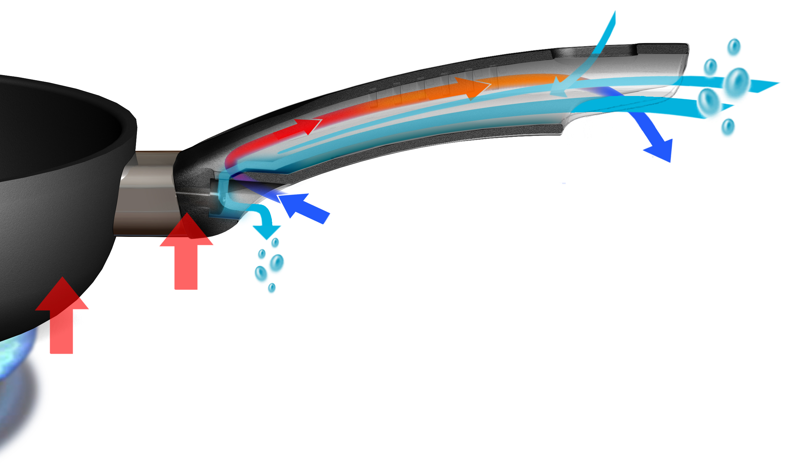The handle should be securely attached to the cookware and designed to prevent slipping, even when wet or greasy. Materials and construction are key here: handles should be made from durable, materials that won’t crack, or fail under stress. Look for [heat-resistant handles](https://blog.fbm.eu/can-cookware-go-in-the-oven-debunking-a-common-cookware-myth) that offer thermal insulation or cooling technology to ensure a comfortable grip, even when the pan is hot.
## **4. Comfortable Touch and Texture**
The texture of the handle plays an important role in both comfort and safety. A quality handle has a smooth roughness which doesn’t change along the overall handle’s surface. Additionally, the materials used for the handle should feel good to touch.
A soft, non-abrasive surface is ideal for ensuring a pleasant cooking experience. Handles poorly made can present different textures along the surface with shiny areas showing bad tooling maintenance.
F.B.M. experience in material injection and constant investments in R&D and Production, lead us to a [high level quality](https://blog.fbm.eu/how-do-we-provide-you-with-the-best-quality-pots-and-pans-accessories)of the texture and appearance of the products which lasts longer and persists also after many pieces production. This guarantee a:
- Better looking product
- No need to spray-coat the handle to cover unperfect surface area
- Cost Saving
- Environmentally more aligned to sustainable concept of the pan
[](https://cta-redirect.hubspot.com/cta/redirect/4327729/e198775d-0e45-49ec-aa7b-9873978d0c89)
## **5. Health and Safety Considerations: Non-Toxic, Easy-to-Clean Materials**
Cookware handles should be made from safe materials and meet industry standards for health and safety. Making sure to respect regulations to avoid substances of high concerns is crucial.
Easy-to-clean handles are equally important. Over time, grease, oils, and food debris can accumulate. Handles with smooth textures are easier to maintain and promote [long-term hygiene and durability. ](https://blog.fbm.eu/safety-and-hygiene-take-a-step-towards-the-wellness-movement)
## **6. Resistance to High Temperatures: Durability and Reliability**
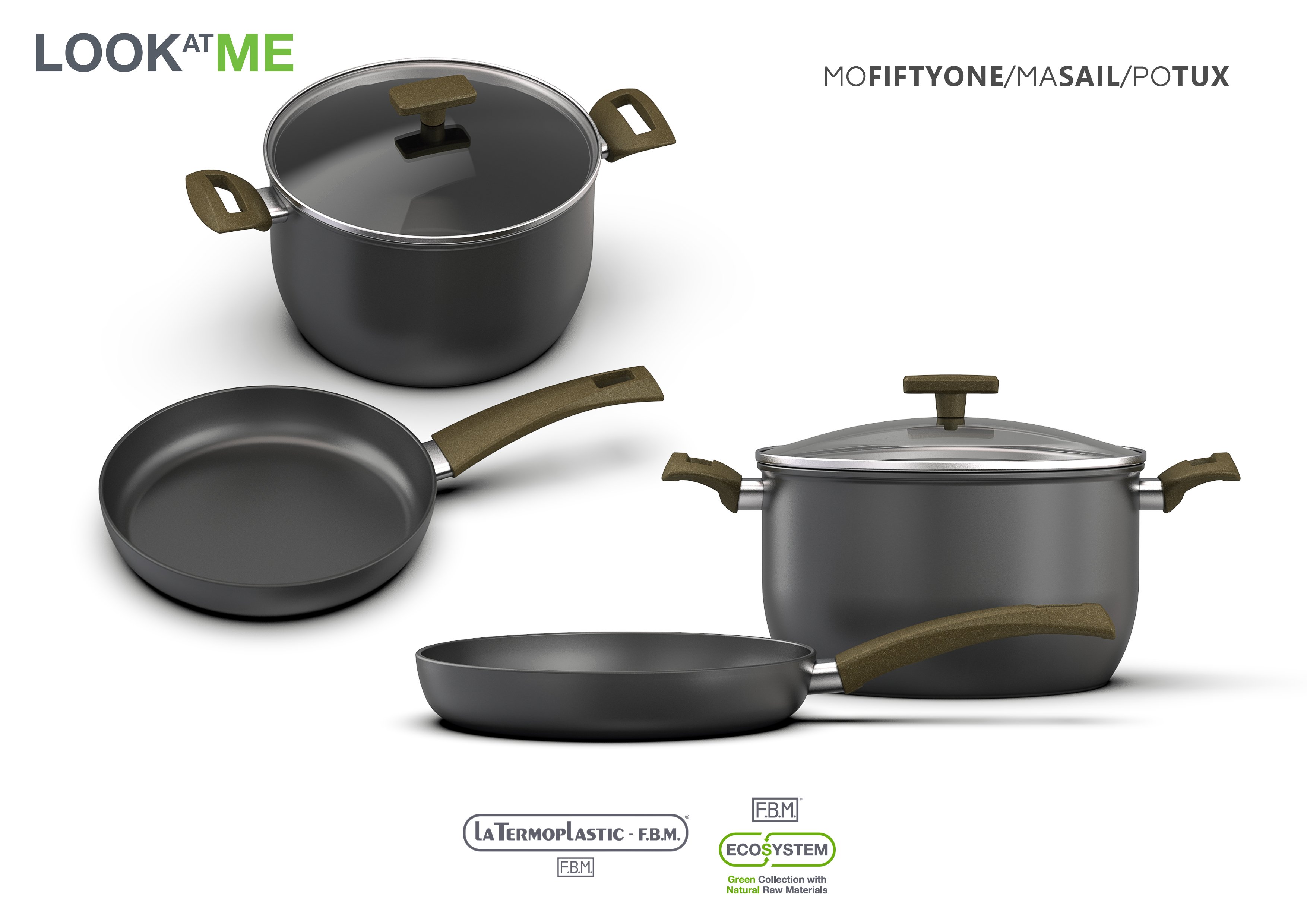
Cookware handles are exposed to intense heat, and they must endure this stress without deteriorating. High-temperature resistance is crucial for both performance and user safety. A handle that cannot handle heat can become dangerous.
Always test and verify that your handle materials and attachment systems can resist the conditions of everyday cooking — especially when the product is designed for use on stovetops or in ovens.
## **7. Quality Control: Preventing Defects and Ensuring Consistency**
Finally, it’s important to consider the production process when selecting cookware handles. Handles must be free from cracks, internal bubbles, and imperfections that are not visible but are key cause of handles’ breakage. This can arise due to poor manufacturing practices. Defective handles can weaken the entire product and pose safety risks.
When choosing a cookware handle manufacturer or supplier, make sure they adhere to strict quality control standards and have good experience to prevent these criticalities. Handles should be consistent in shape, size, and functionality, and they should be free from defects that could affect performance or durability.
## Prioritize Quality, Comfort, and Safety
The handle may be a small part of the cookware, but its role is vital. When selecting handles, focus on design, ergonomics, safety, and material quality. A well-designed handle not only enhances visual appeal but also ensures a safe and enjoyable cooking experience.
By addressing these key pain points and partnering with an expert cookware handle manufacturer like F.B.M., brands can deliver reliable, durable, and beautifully designed products that meet customer expectations.
Get your hands on our Buyer’s Handle Checklist: Key Pain Points for Cookware Handles—your complete, easy-to-use guide to making the right choice every time.
Keep it always at hand and discover how to select the ideal handle for comfort, durability, and style. Download Here 👇
[](https://cta-redirect.hubspot.com/cta/redirect/4327729/e198775d-0e45-49ec-aa7b-9873978d0c89)
- [Tweet](https://twitter.com/share)
Topics: [Trends](https://blog.fbm.eu/tag/trends)
### Recent Posts
### Recent Posts
### Categories
### Posts by Tag
- [Products (59)](https://blog.fbm.eu/tag/products)
- [Trends (31)](https://blog.fbm.eu/tag/trends)
- [Brand (28)](https://blog.fbm.eu/tag/brand)
- [Cookware Consultant (26)](https://blog.fbm.eu/tag/cookware-consultant)
- [Corporate (24)](https://blog.fbm.eu/tag/corporate)
- [Sustainable cookware (22)](https://blog.fbm.eu/tag/sustainable-cookware)
- [Events (19)](https://blog.fbm.eu/tag/events)
- [Detachable Handles (10)](https://blog.fbm.eu/tag/detachable-handles)
- [Materials (8)](https://blog.fbm.eu/tag/materials)
- [Market Insights (7)](https://blog.fbm.eu/tag/market-insights)
- [Antibacterial Cookware (4)](https://blog.fbm.eu/tag/antibacterial-cookware)
- [Safety & Regulation (4)](https://blog.fbm.eu/tag/safety-regulation)
- [Silicone Handles (4)](https://blog.fbm.eu/tag/silicone-handles)
- [Heat Resistance (2)](https://blog.fbm.eu/tag/heat-resistance)
See all »
### Search
### Most Popular

La Termoplastic®, F.B.M.® and other product names are an exclusive property of LA TERMOPLASTIC F.B.M. S.R.L.
LA TERMOPLASTIC F.B.M. S.R.L. Società Unipersonale - REA n. 96748 C.C.I.A.A. - Varese - R.I. Varese C.F. - P.IVA 00302610126 - Capitale Sociale euro 300.000,00 INT. VERS.
Subject to the direction and coordination of F.B.M. HOLDING S.R.L.
- [WebMail](https://webmail.fbm.eu/)
- [Cookie Policy](https://www.fbm.eu/?page_id=8088&lang=en)
- [Privacy Policy](https://www.fbm.eu/?page_id=6346&lang=en)
- [Code of Ethics](https://www.fbm.eu/wp-content/uploads/2019/10/CodiceEticoEnglish2019.pdf)